
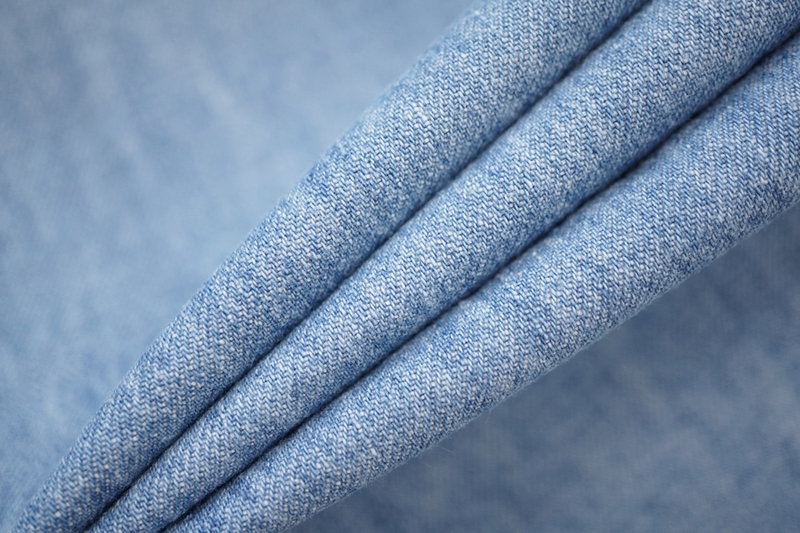
Denim is one of the most popular fabrics used to make denim jeans, jackets, shirts, etc. It looks strong and feels tough.. Good denim quality does not come only from fabric. The stitching also plays a big role. If the thread is weak even good denim can fail. If the stitch breaks the garment will not last. If the thread colour fades badly the product may look poor. This is why thread selection is very important in manufacturing. Denim needs thread that can handle pressure, washing, rubbing, stretching and daily use. A normal light sewing thread may not work well for denim. The right thread helps make denim stronger, cleaner and longer lasting.
Table of Contents
Why Thread Matters in Denim
Denim garments face use. People wear jeans daily. They sit, walk, bend, travel, ride bikes, work and wash jeans times. The seams go through a lot of stress. Areas like side seams, inseam, waistband, pockets, fly, crotch, belt loops and bottom hem need stitching. If the thread is not strong these areas can open. This creates customer complaints. In denim stitching is also part of style. Orange, brown, black, white and contrast colour threads are used for design. So thread must give strength and good look both. A good denim thread should not hold the fabric. It should also improve the garment appearance.
Understand the Denim Weight
Before choosing thread first check the fabric weight. Light denim needs thread. Heavy denim needs thread. If the denim is light and soft thick thread may look bulky. It may also create puckering. If the denim is heavy thin thread may. Look weak. So thread size should match fabric thickness. For jeans and jackets stronger and thicker thread is usually needed. For shirts or light fashion denim, medium or finer thread may be better. The aim is to get strength without spoiling the look.
Choose Thread with Good Strength
Denim needs thread. This is the basic point. The thread should not break during stitching. It should also not break when the customer wears the garment. Denim seams face pulling and rubbing. So thread strength is very important. Polyester thread is commonly used in denim because it gives strength and durability. Polyester corespun thread is also used in denim products because it gives strength with good sewing performance. For stress areas like pockets, crotch, waistband and belt loops strong thread is very important. A weak thread in these areas can reduce garment life.
Check Abrasion Resistance
Abrasion means damage to rubbing. Denim faces a lot of rubbing during use. The thread rubs against fabric, skin, washing machine, chair, bike seat, bags and other surfaces. If thread wears out quickly the seam becomes weak. For jeans and workwear denim abrasion resistance is very important. Good denim thread should handle rubbing. It should not fray easily. It should keep the stitch strong after repeated use. This helps garments last longer. It also gives value to the customer.
Think About Washing Process
Denim goes through washing and finishing processes. Stone wash, enzyme wash, bleach wash, acid wash, garment wash and soft wash are common in manufacturing. These washes can be harsh. They can affect thread strength and colour. So the thread should be selected according to the wash process. If the thread cannot handle washing it may become weak. If the colour is not stable the stitch shade may change much. Sometimes brands want the thread to fade slightly with denim. Sometimes they want the thread colour to stay strong. This should be decided before production. Always test the thread with denim wash. This helps avoid surprises
Colour Selection Is Important
Thread colour is very important in denim. In jeans contrast stitching gives the main denim look. Orange and golden thread is classic for jeans. Black, navy, grey, white, red and other colours are also used. For denim stitch colour must look clean and consistent. If colour varies in production the garment looks uneven. If colour bleeds during wash it can spoil the fabric. So thread colour quality should be checked properly. The thread should match the design and wash requirement. For fashion denim colour can become a selling point. For denim durability may matter more than shine.
Select the Right Thread Size
Thread size affects both strength and appearance. Thicker thread gives bold stitch look. It is often used in stitching, pockets, waistband and decorative areas. Finer thread gives an lighter look. It may be used in seams or light denim styles. Using one thread size for all areas may not always be best. Many denim garments use thread sizes in different parts. For example top stitching may use thread. Inside stitching may use thread. Stress areas may need thread. This gives a balance of look, comfort and strength.
Machine Performance Matters
Denim stitching machines run at speed. The thread has to pass through needle and fabric again. Denim is thick. There is more pressure on thread. Poor thread can break often. This stops production. It also creates rework and uneven stitching. Good denim thread should run smoothly on machines. It should have thickness. It should not have knots. It should not fray easily. It should also work well with the needle. When thread runs smoothly production becomes faster and cleaner. This saves time and cost.
Preventing Common Denim Stitching Problems
thread can create many defects in denim. Thread breakage is common. Skipped stitches can happen. Loose seams can appear. Puckering may happen in denim. Needle cutting can happen if wrong needle and thread are used. Top stitch may look uneven if thread quality is poor. Right thread selection helps prevent these issues.. Thread alone is not enough. Needle size, machine tension, stitch length and operator handling also matter. All these things should work together. Before production stitching trial is always useful.
Thread for Stretch Denim
Stretch denim is very popular now. It is used in jeans, jeggings, stretch jackets and comfort-fit denim. Stretch denim moves with the body. So the seam should also move. If thread is too stiff stitches may pop. If thread is too weak seams may open. For denim thread should have proper strength and some flexibility. Stitch type also matters. The seam should handle stretching during wearing and washing. Testing is very important for denim. The garment should be. Checked before bulk production.
Thread for Workwear Denim
Workwear denim needs strength. It is used by workers, riders, outdoor users and people who need clothing. Here thread should handle stress. Strong polyester thread is the need of the moment. Seams should be reinforced in stress areas, for instance, pockets, knees, crotch, etc. In workwear durability is paramount and the thread must support garment use.
Sustainability in Denim Thread Selection
denim brands are now focusing on sustainability. They want to reduce waste and make lasting garments. Thread can support this. Recycled polyester thread can be used in some products. Strong thread can also increase life. When jeans longer customers use them for more time. This reduces waste. Sustainable thread should still give strength and wash performance. Sustainability and quality must go together.
Final Checklist for Denim Thread Selection
Before selecting thread brands should check fabric weight, garment type, wash process, thread strength, colour fastness, machine performance, stretch need and final look. They should also test the thread in stitching and real washing. Do not select thread by price. Cheap thread can create cost later through breakage, rejection, repair and complaints. A good thread protects the denim garment.
Thread selection is an important part of denim manufacturing. The right thread gives seams, clean stitching, good appearance better wash performance and longer garment life. Denim is a fabric. So it needs a thread that can match its strength. From jeans, to jackets from fashion denim to workwear every product needs the right thread choice. A good denim garment is not made by fabric alone. It is made by fabric, right thread, good stitching and proper washing. When all these work together denim becomes stronger, better and more trusted by customers.