
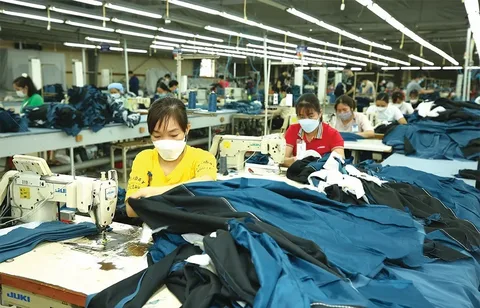
The apparel industry is in for some big changes as sustainability becomes bigger on the agenda, digital innovations take centre stage, and consumers demand transparency on everything. However, one of the most exciting advances is the creation of Digital Product Passports (DPPs), which are digital documents that carry extensive information about a product over its life cycle. Digital Product Passports will transform the way apparel is designed, manufactured, distributed, used, repaired and recycled, from raw material sourcing right through to production.
As governments enforce tougher environmental laws and customers increasingly call out for transparency from brands on how they are handling their environmental footprint, digital product passports have become an integral component of being competitive and compliant for apparel brands.
Table of Contents
What Are Digital Product Passports?
A digital product passport is a digital identity attached to a product that is usually provided via QR codes, NFC tags, RFID technology or other digital ‘marks’. It will contain full garment information, such as the following:
- Material composition
- Fibre origin
- Manufacturing processes
- Factory information
- Environmental impact
- Carbon footprint
- Chemical usage
- Certifications
- Repair instructions
- Recycling guidelines
- End-of-life recommendations
As a difference over traditional labels, DPPs have the capability of providing dynamic information which can be updated over the lifecycle of the product, increasing the transparency of the supply chain.
Driving Transparency Across the Supply Chain
In recent years, it is not uncommon to see complex supply chains in modern clothing, with many suppliers located in other countries. Tracking materials and manufacturing processes has traditionally been difficult, creating challenges in verifying sustainability claims.
Digital Product Passports give consumers greater transparency by providing an account of all stages of production. Manufacturers can record:
- Yarn suppliers (textured thread)
- Fabric mills
- Dyeing facilities
- Sewing factories
- Quality inspections
- Packaging details
- Logistics information
Brands can showcase this transparency, prove ethical sourcing and support regulators to certify compliance with environmental and labour standards.
Improving Material Traceability
For apparel companies that are serious about responsible apparel, traceability has emerged as a key priority. With a Digital Product Passport, manufacturers can accurately trace the materials from the farm or fiber producer right through to the final garment.
For example, a cotton T-shirt’s passport can include the following:
- Cotton farm location
- Organic certification
- Ginning facility
- Spinning mill
- Knitting factory
- Dye house
- Garment manufacturer
This in-depth tracking minimizes the risk of counterfeit materials and standards and helps manufacturers comply with sustainability pledges.
Supporting Regulatory Compliance
Stricter rules are being enforced by governments around the world with regard to product sustainability, waste reduction, and product information provided to the consumer/end user. Textile companies that supply to the European market are likely to have been more affected by regulations concerning digital product passports under European Union standards.
Switching to DPP systems early will be easier for manufacturers to do the following:
- Demonstrate regulatory compliance
- Maintain accurate documentation
- Simplify audits
- Reduce administrative burdens
- Avoid costly penalties
Electronic records also help reduce paperwork and ensure more accurate reporting.
Enhancing Sustainability Reporting
Consumers are growing more and more motivated to seek reassurance that apparel brands are truly sustainable, not just going through the motions for marketing.
Digital product passports can help manufacturers offer certified sustainable information about:
- Water consumption
- Energy usage
- Greenhouse gas emissions
- Renewable energy utilization
- Recycled material content
- Waste generation
- Chemical management practices
This information enables brands to make better-informed sustainable claims backed with quantifiable information and not just claims.
Strengthening Quality Assurance
Digital Product Passports can be a powerful tool to enhance quality management processes in manufacturing.
Every production batch can be directly associated with the manufacturing companies’ quality inspection record, which includes the following:
- Stitch density
- Seam strength
- Fabric performance
- Colorfastness testing
- Dimensional stability
- Inspection dates
- Quality certifications
When the products reach the customers in the market, manufacturers can easily spot which batches are affected if there are any issues with quality, thereby limiting the scope of the recalls and reducing any financial loss.
Making Products More Maintainable and Repairable
Long-lasting use of garments is one of the best ways to minimize environmental footprint.
Digital product passports can carry such detailed care and repair information as:
- Washing recommendations
- Drying guidelines
- Ironing temperatures
- Suitable repair methods
- Replacement components
- Compatible sewing thread specifications (polyester corespun thread)
This information is readily available to the consumers, repairers, and resale shops and helps to keep the garment in use for a long time.
Supporting Circular Fashion
A changing industry is moving from a linear ‘make-use-dispose’ model to a more circular approach, involving reusing, repairing, refurbishing, and recycling clothes instead of discarding them.
An important aspect of enabling circularity is digital product passports’ role in assisting recyclers in identifying the following:
- Fiber composition
- Mixed material percentages
- Chemical finishes
- Dye types
- Trims and accessories
The reliability of material information facilitates recycling and minimizes contamination in textile recycling streams.
Enhanced Inventory and Supply Chain Management
Maintaining accurate inventories and coordination between different parts of a manufacturing supply chain can be challenging.
They can be linked to enterprise systems in order to enable real-time tracking of product flows during manufacturing and distribution.
Benefits include:
- Improved inventory accuracy
- Faster warehouse operations
- Better production planning
- Reduced stock discrepancies
- Enhanced shipment tracking
- Quicker product authentication
Digital records also facilitate improved communication between suppliers, manufacturers, distributors, and retailers.
Building Consumer Trust
Modern-day consumers are demanding more transparency about their clothing’s origin and production methods.
These QR codes enable customers to instantly view information on:
- Manufacturing location
- Sustainability certifications
- Material origin
- Ethical sourcing
- Carbon footprint
- Care instructions
Transparency fosters trust, and it assists brands in capturing their audience in competitive markets.
Challenges in Implementation
The use of digital product passports involves several challenges, despite their benefits.
The manufacturers should invest in:
- Digital infrastructure
- Data management systems
- Staff training
- Supply chain integration
- Cybersecurity measures
- Standardized data collection
For smaller manufacturers, implementation might cost more at the start but is likely to offer operational benefits down the road.
One of the challenges is to avoid inaccurate information from many suppliers. The implementation needs to have close collaboration across the supply chain and standardize reporting procedures.
Preparing for the Future
There are several steps apparel manufacturers should take to get ready for the rise of digital product passports:
- Digitizing production records
- Improving supply chain traceability
- Investing in integrated manufacturing software
- Establishing partnerships with suppliers to share data
- Standardizing sustainability reporting
- Training employees in digital documentation
Early adoption will enable manufacturers to remain competitive and satisfy changing customer and regulatory expectations.
Conclusion
DPPs are a significant leap in clothing production that provide a level of transparency, traceability, and sustainability never seen before in apparel. Having a digital file of each garment allows manufacturers to enhance the quality assurance process and benefit from circular fashion and supply chain management, as well as a higher level of consumer trust.
Despite requiring investment and coordination, digital product passports are a strategic asset with long-term value, as they aid regulatory compliance, boost operational efficiency, enrich sustainability reporting, and bolster brand credibility. Digital product passports are a stepping stone toward a more transparent and circular apparel industry; savvy manufacturers will have the cutting edge in the future-facing global marketplace by adopting them now.