
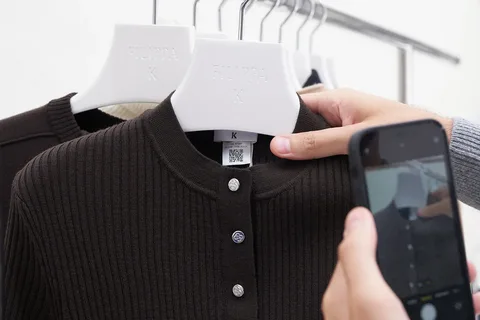
The fashion industry is in a dynamic pace because consumers are aware, regulations impose that the fashion industry has to be more sustainable and more transparent. But today the value of a brand extends beyond style, quality and even the price, it now encompasses brand responsibility in its supply chain. Although the emphasis is placed on fabrics, dyes and finished fabrics, one area that tends to gloss over is the thread used to join a fabric together to create a product.
Tracking and verifying threads to assure the integrity, compliance and sustainability of the product, is a big key in the world of thread spinning for sewing. In the global fashion supply chain, however, the importance of thread traceability is growing more and more as the fashion line becomes more complex with the advancement.
Table of Contents
Understanding Thread Traceability
From a sewing standpoint, traceability would allow the tracing of the thread from the raw materials source through to the manufacturing, distributing and final garment. This includes keeping up-to-date records of the source of the thread, how it is obtained and the quality and environmental and ethical requirements.
The typical information contained in a traceable thread supply chain will include:
- Raw material source
- Fiber composition
- Manufacturing location
- Production batch details
- Quality certifications
- Environmental compliance records
- Transportation and distribution history
A such level of transparency allows manufacturers and brands to verify the material authenticity and sustainability of their products.
The Growing Demand for Supply Chain Transparency
Today’s consumers are better informed than ever before. They want to know the source of products, how they are made and if they are made responsibly or not. However, when giving rise to transparency, this element is not just applied to what can be seen on the apparel but also to all aspects of the manufacturing process.
Governments and authorities are also stepping up their demands for supply chain accountability. Consumer demands for sustainability and environmental influence, human rights, and product safety are creating a need for fashion brands to be able to trace product history down their ever-long supply chain.
As sewing thread is the basis of almost all clothes, it is also crucial to guarantee its traceability to fulfil the expectations.
Supporting Sustainability Goals
Today sustainability has become fashionable and a strategic issue by companies. Brands are spending a lot of money on sustainable materials, circular economy programs and carbon footprint reduction programs.
The traceability of thread helps realize these goals by providing specific data on the environmental characteristics of sewing threads. Manufacturers can prove if the threads are from the following:
- Recycled polyester
- Organic fibers
- Sourcing raw materials responsibly
- Low-impact manufacturing processes
However, without the ability to trace it back, this sustainability aspect can be difficult to demonstrate, and even be accusations of greenwashing.
Traceable thread systems allow businesses to provide consumers, investors and regulators with a solid foundation for their environmental commitments and open communication.
Improving Product Quality and Consistency
Another key advantage of thread traceability is quality assurance.
The quality, strength, durability, appearance and overall functionality of a garment’s seams is highly dependent on the sewing threads used. The traceability system enables manufacturers to be alert to any quality issues and to identify the source of the problems.
If the thread resulting from a chosen batch includes any failures of seams then the manufacturer will identify which thread has failed as part of the batch and which manufacturing process or lot of production is causing it.
This capability helps:
- Improve quality control
- Reduce production defects
- Minimize product recalls
- Strengthen supplier accountability
- Ensure product consistency throughout the stocks
This helps brands to better protect their brand reputation and customer satisfaction.
Supporting Ethical Sourcing Initiatives
Sourcing is one of the main problems of global fashion houses today. There is a growing emphasis on the adoption of ethical and responsible practices throughout supply chains, from source to manufacturer to importation to source to consumer.
However, traceability plays a role in making sure that ethical sourcing is implemented, particularly through the involvement of traceability to supplier activity and origin of materials. Brands can identify if suppliers do meet the accepted standards in social responsibility and ethics in production practices.
Greater transparency allows organizations to:
- Recognise risk in the Supply Chain
- Monitor supplier performance
- Promote responsible sourcing
- Strengthen supplier relationships
- Improve corporate accountability
Using thread tracking within the Supply Chain Management programs, brands can better promote ethical and sustainable business practices.
Developing Circular Fashion & Product Passports
The fashion sector has started to incorporate ideas and practices around the circular economy, with the aim of eliminating waste and extending the service life of their items. New programmes like the Digital Product Passports (DPPs) need information regarding the parts, materials and production history of a product.
The importance of the role of the thread (trilobal polyester thread) in these systems is that the thread (flame-resistant sewing thread) has impacts on the recyclability and reparability of clothing, and on the material recovery processes.
Using accurate thread record, brands can provide valuable knowledge that support with:
- Product repair programs
- Recycling initiatives
- Resale platforms
- Material recovery operations
- Circular product design strategies
The traceability level will get to the component group level with the development of Digital Product Passports.
The Integration of Technology into Thread Traceability
With the advent of digital technologies, the availability and effectiveness of thread traceability is on the rise.
Many modern traceability systems employ:
- Barcode tracking
- QR codes
- RFID technology
- Cloud-based databases
- Enterprise Resource Planning (ERP) systems
- Blockchain solutions
These technologies will allow current monitoring, data sharing and security across the entire supply chain.
Therefore, blockchain is a technology that attracts interest because of its ability to create transparency and impermeability of information, and offer the ability to verify the origin, and thus bring harmony between all parties involved in the chain.
Competitive Advantages for Fashion Brands
The traceability of the threads could be used as another product benefit factor other than compliance and sustainability.
Transparency and Responsible Sourcing enable brands to build trust with consumers and gain their loyalty. With a world increasingly moving toward a market price sensitive to sustainability, one way your company can stand out is by providing customers with traceability.
Benefits include:
- Enhanced brand reputation
- Increased customer confidence
- Improved stakeholder trust
- Better supply chain visibility
- Stronger sustainability reporting
Traceability systems are expected in the market nowadays and will have a major part to play in keeping competitive.
Conclusion
It seems like a small thing in the fashion supply chain to have to trace threads but it is quite a long one. Traceable thread systems provide visibility in one of the simplest aspects of the industry: helping to sustain, enhance product quality, comply with regulations and adhere to ethical sourcing measures.
With changing consumer demands and increasingly tough regulatory demands, fashion companies have to go beyond managing their supply chains and adopt a more holistic approach to traceability. Adding thread traceability to the supply chain process can enhance transparency, accountability, and more resilient and sustainable supply chains.
As everything is important now, thread traceability is no longer a choice and is quickly turning into a necessity of responsible fashion in the coming years.